
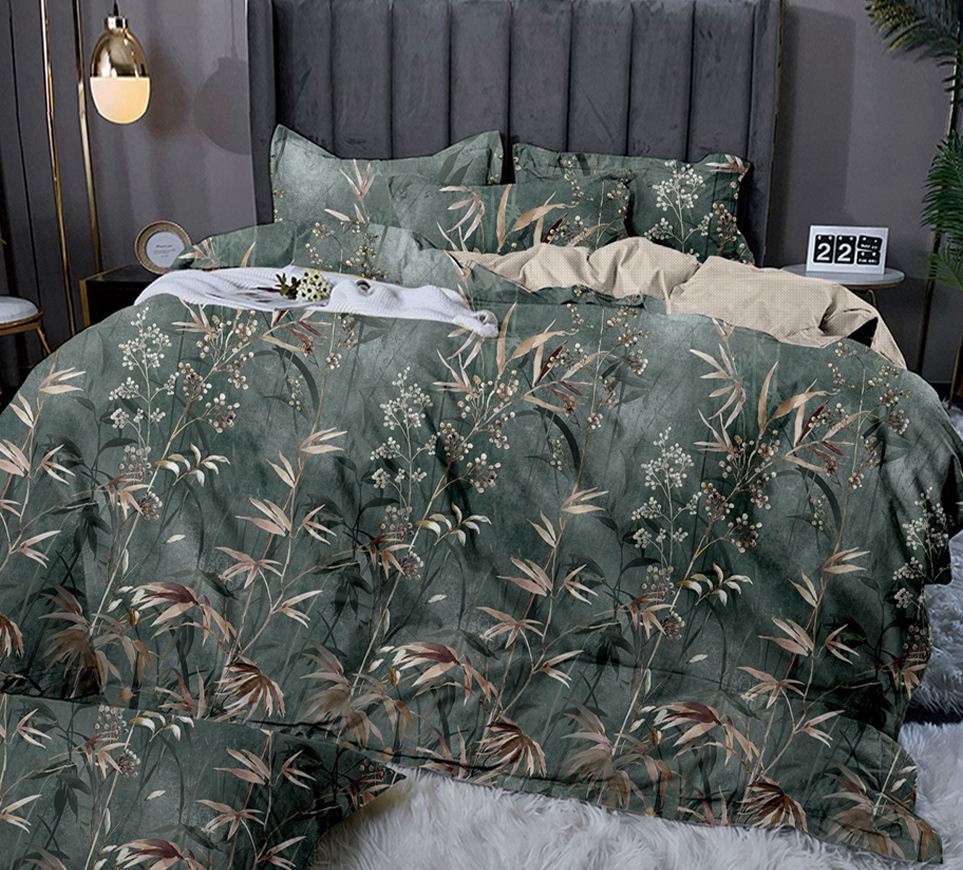
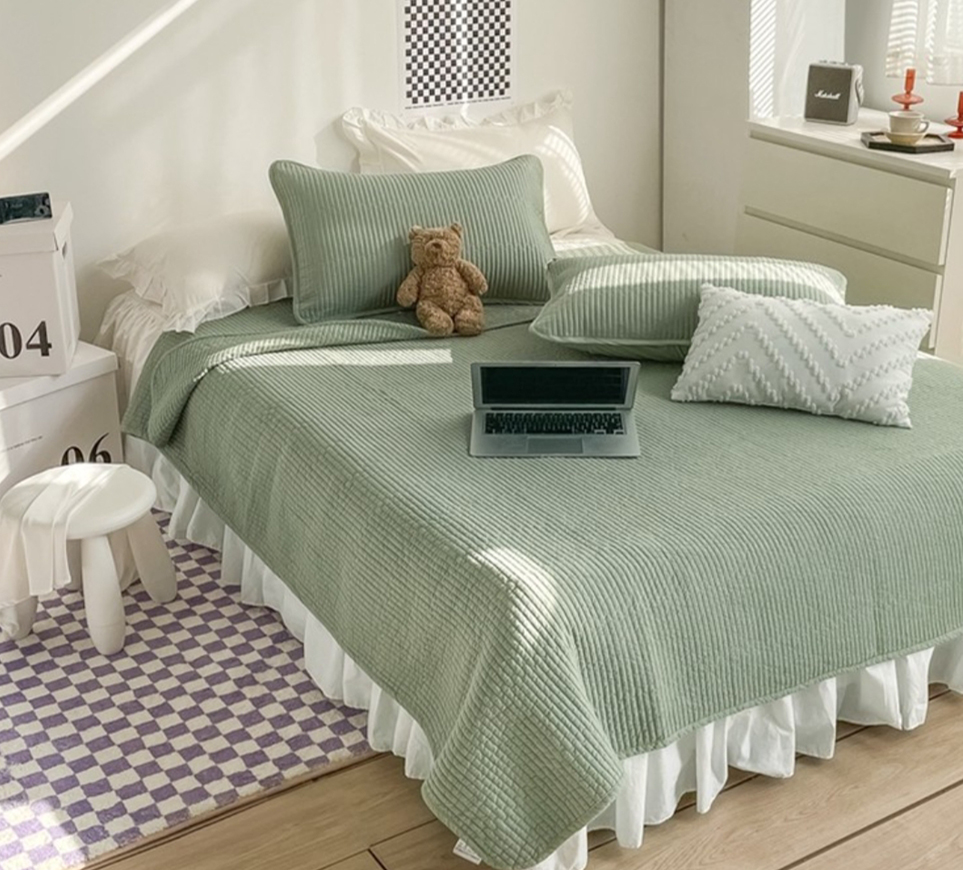
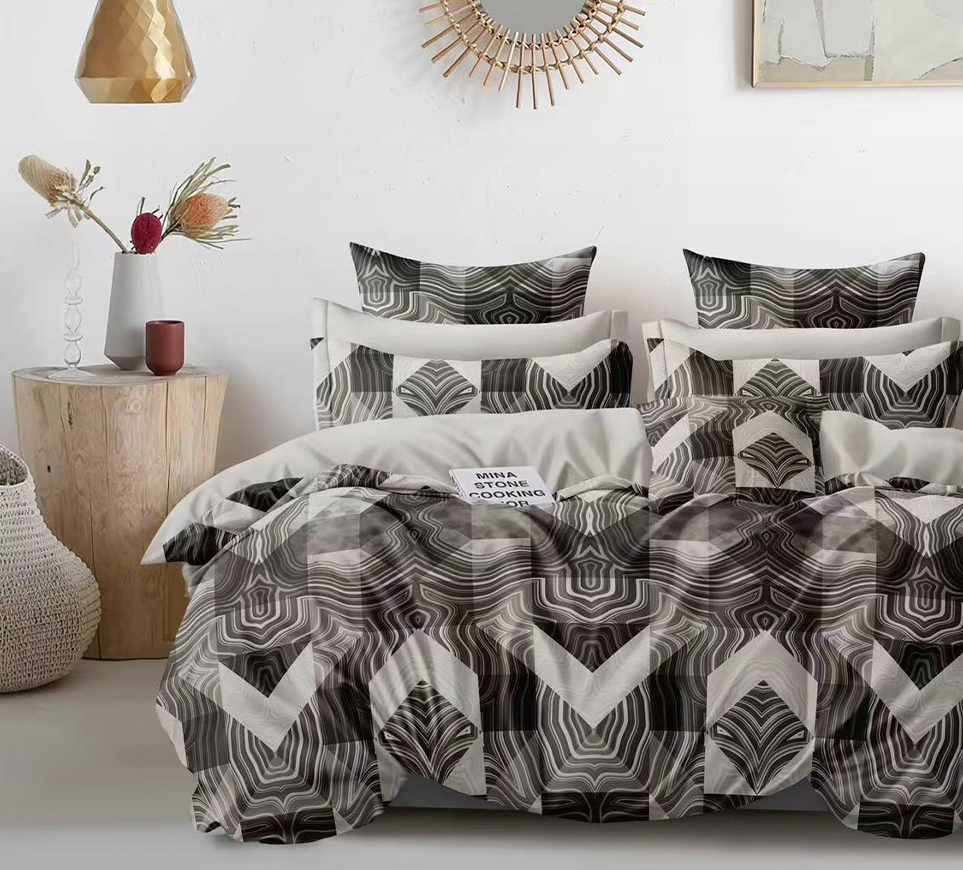
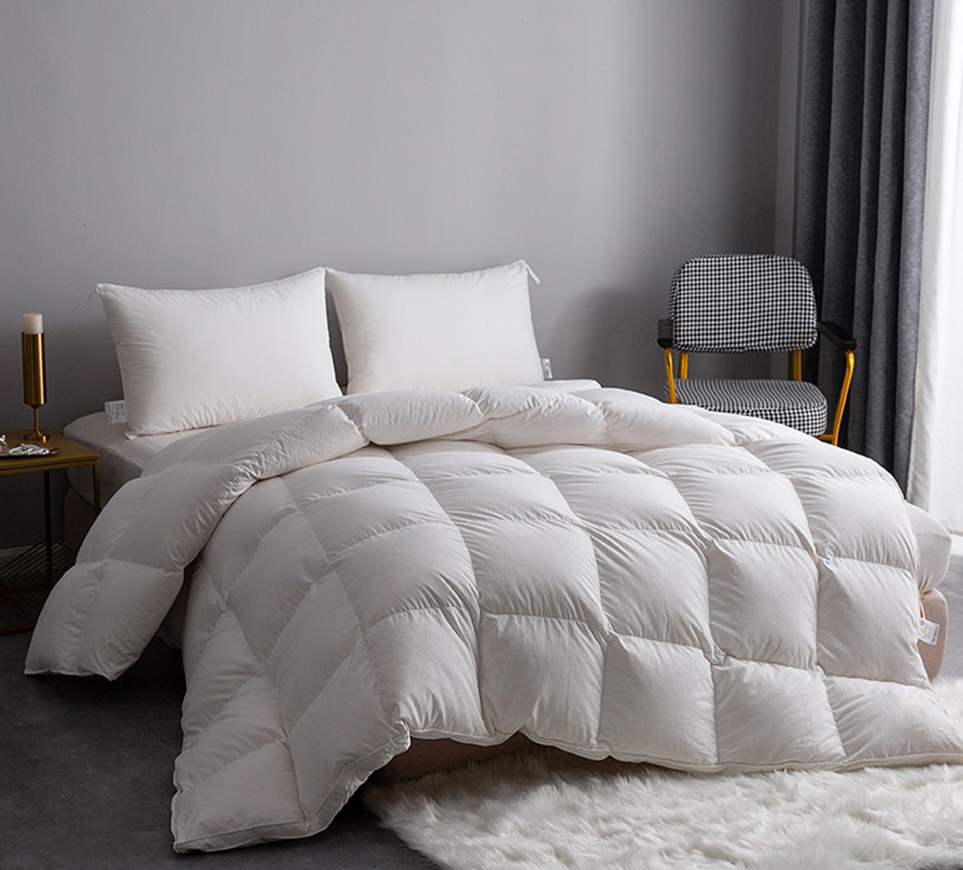
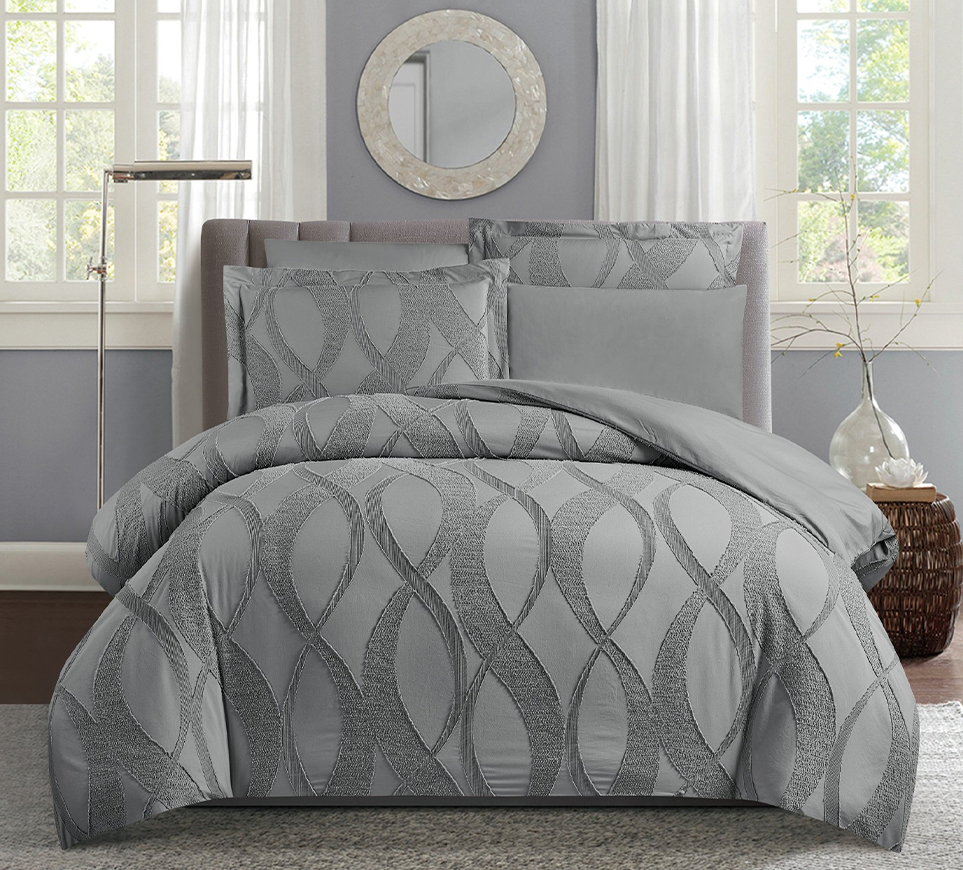
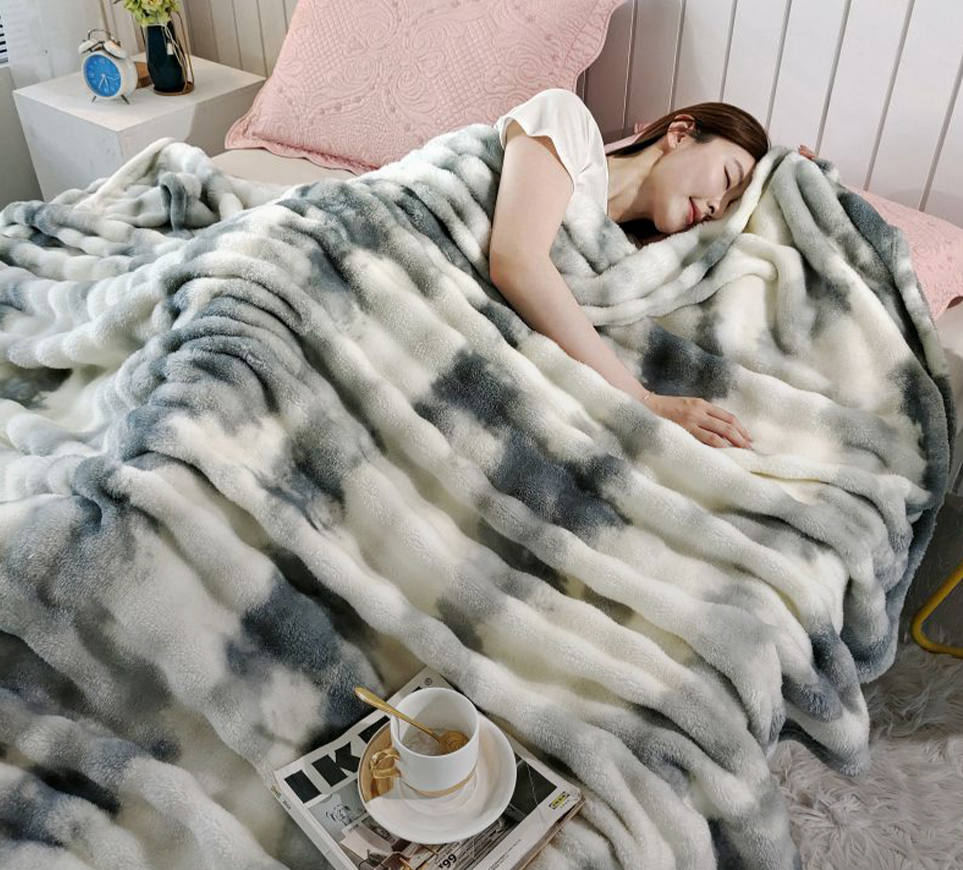
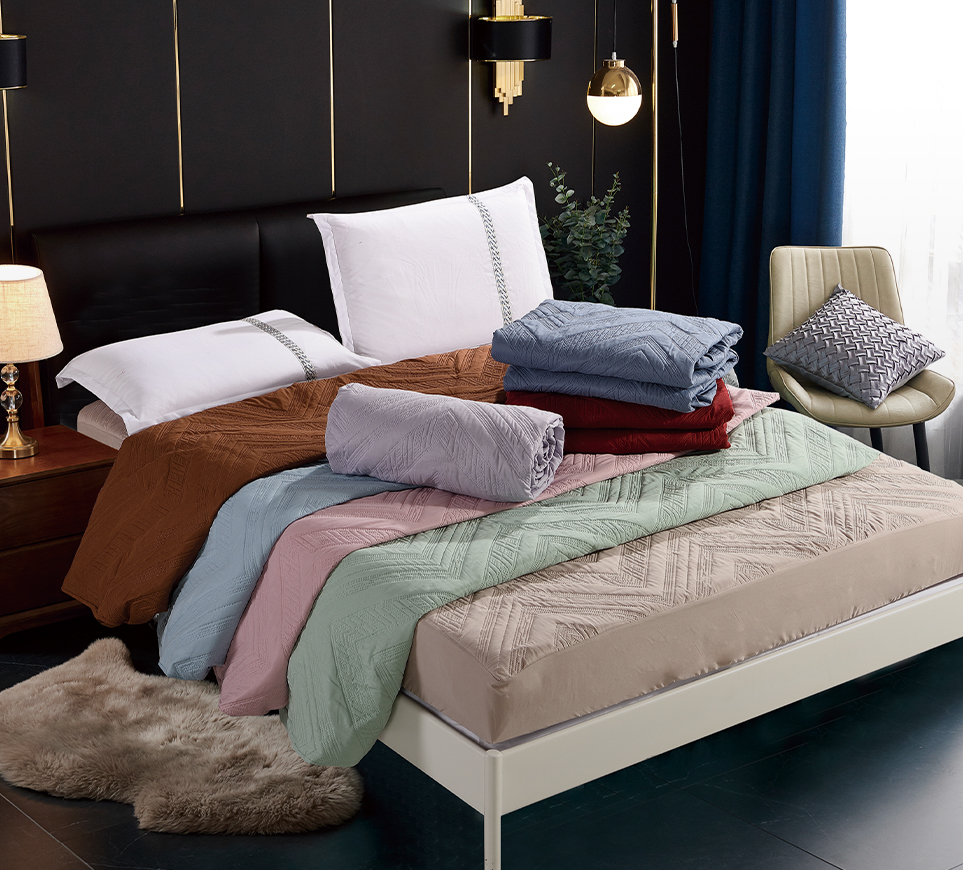
Funkció Gyors száraz és könnyen ápolható: Nem könnyű zsugorodni, vasalás és ráncgátló, gyors szárítás a gépmosás után. Tartós és elhalványult: erős kopásállóság, magas színű gyorsaság, h...
Lásd a részleteketMiért válasszon minket?
2008 -ban alapították, egy 3000 m² -es szakmai gyárral, több mint 50 alkalmazottal és 5 osztályvezetővel.

Kínából származik, marketing a világba.

What Makes a Great Hotel Linen Program?
Jul 08, 2026
The direct answer for hotel owners and procurement managers researching Hotel Linen is this: a well engineered hotel bed linen program built on Poly-Cotton blended fabric for high turnover properties and long-staple cotton for upscale and boutique rooms delivers the most balanced combination of durability, guest comfort, and manageable laundering cycles. Properties that standardize on a documented thread count range, a defined GSM (grams per square meter) target, and a consistent color and design language typically report fewer linen replacement cycles and steadier guest satisfaction scores across housekeeping audits. This conclusion is supported by decades of textile engineering practice in the hospitality sector, where fabric selection is treated as a functional decision tied to occupancy rate, laundering frequency, and guest expectation, not simply a decorative one.
The remainder of this article expands on the material science, design logic, supply chain structure, and maintenance practices that support this conclusion, and it explains how hotel bed linen, hotel bedding, and related commercial bed linen programs are typically specified across different accommodation tiers, from limited service chains to full service resorts and boutique hotels.
What Hotel Linen Means in the Hospitality Supply Chain
In hospitality procurement terminology, Hotel Linen refers to the complete family of textile products used to dress a guest room bed, including fitted sheets, flat sheets, duvet covers, pillowcases, pillow shams, mattress protectors, and in many programs, bedspreads and blankets used for seasonal layering. Unlike household bedding, hotel bed linen is engineered against a very different set of performance requirements: it must withstand industrial laundering at high temperatures, repeated tumble drying, frequent handling by housekeeping staff, and a laundering frequency that can reach several hundred cycles per year in a full service property.
Because of this operating environment, hotel textile specifications typically reference three core variables: fiber composition, thread count or GSM, and weave structure. These variables interact directly with laundering durability, wrinkle recovery, and tactile softness, which is why an experienced hotel linen manufacturer will always ask about laundering frequency and water temperature before recommending a fabric family. A property that launders linen daily at high heat has different needs than a boutique inn that launders less frequently but prioritizes a premium hand feel for its guests.
Why Fabric Selection Is a Functional Decision, Not Only an Aesthetic One
Hotel operators frequently underestimate how much fabric selection affects total cost of ownership through replacement cycles, even when purchase decisions are not primarily price driven. A fabric that resists pilling, maintains color fastness after repeated washing, and recovers from wrinkles without heavy ironing reduces the labor burden on housekeeping and laundry teams. This is one reason hospitality linen supplier relationships tend to be long term rather than transactional, since consistent fabric performance across reorder cycles matters more than any single shipment.
Material Science: Poly-Cotton Blended Versus Long-Staple Cotton
Two material systems dominate professional hotel bed linen programs today. Poly-Cotton blended fabric, typically combining polyester with cotton fiber, is engineered to resist wrinkling, hold color through repeated industrial washing, and maintain dimensional stability after high heat drying. Long-staple cotton, by contrast, uses longer natural cotton fibers spun into finer, smoother yarns, which is why high count long-staple cotton fabric is associated with a softer, cooler hand feel that many upscale and boutique properties prioritize for guest facing linens such as duvet covers and pillowcases.
Neither material is universally superior; the appropriate choice depends on the property's laundering infrastructure, occupancy pattern, and guest positioning. A limited service or extended stay hotel with high linen turnover and in house laundry may prioritize the wrinkle resistance and color fastness of Poly-Cotton blended fabric, while a boutique or luxury resort may accept a shorter linen lifespan in exchange for the tactile advantages of long-staple cotton hotel linen.
This radar chart offers a relative, illustrative comparison of the two material systems across five commonly referenced performance dimensions rather than a laboratory certified benchmark. Poly-Cotton blended fabric tends to score higher on wrinkle resistance and ease of care, which explains its popularity in high turnover, high laundering frequency environments such as limited service and business hotels. Long-staple cotton typically scores higher on softness, which is why it remains the preferred choice for duvet covers and pillowcases in boutique and upscale positioning. Durability scores for both materials can be strong when paired with correct laundering protocols, though Poly-Cotton blended fabric generally shows a wider margin for error under harsh industrial wash conditions. Color fastness performance depends heavily on dye technique and finishing process in both material families, so buyers should request fastness test data from their hotel linen manufacturer rather than assuming performance from fiber type alone. Reading this chart alongside occupancy data and laundering frequency is the most reliable way to translate the comparison into a purchasing decision.
Design Language: Stripes, Solid Color, and Hand Embroidery
Design decisions in hotel bed linen follow a restrained, modernist logic in most professional programs. Striped patterns are frequently used to introduce a sense of spatial depth and structure without overwhelming a room, and they remain a common choice for business and lifestyle hotel brands because they photograph well and pair easily with varied interior palettes. Solid color programs, particularly in muted neutral or Morandi style tones, are associated with a calm, higher end visual register and are often selected by boutique and lifestyle properties seeking a quiet luxury aesthetic. Hand embroidered detailing, when used selectively on hems or pillow shams, introduces a tactile, artisanal signature that can support a property's storytelling around craftsmanship, though it is typically reserved for premium tiers due to the additional production time involved.
Matching Design Language to Brand Positioning
A useful practice for procurement teams is to map design language directly to brand positioning before requesting samples from a hospitality linen supplier. Limited service brands often prioritize a clean, neutral, low maintenance design that hides minor staining and wear, while full service and boutique brands are more willing to accept a design that requires closer inspection during laundering in exchange for a stronger visual identity. Neither approach is inherently better; the decision should follow the property's operational capacity and guest expectations rather than trend alone.
Global Demand Trends Shaping Hotel Bed Linen Programs
Hospitality industry commentary in recent years has repeatedly pointed to two parallel forces shaping hotel bed linen demand: the post pandemic recovery of global travel and occupancy, and a rising guest expectation around sleep quality as a differentiator, sometimes described in industry media as the wellness or sleep tourism trend. According to general hospitality industry commentary, guests increasingly evaluate a stay based on sleep quality metrics, which has pushed many properties to reexamine bedding programs that had not been updated in several renovation cycles.
This area chart presents a relative, illustrative index of hotel bedding upgrade and refresh activity across four recent annual periods rather than a specific published statistic, and it is intended to visualize a directional pattern discussed broadly in hospitality trade commentary. The upward slope reflects the general observation that renovation and soft goods refresh projects, including bed linen replacement, tend to accelerate as travel demand recovers and properties compete on guest experience rather than only on rate. Properties repositioning toward a wellness or sleep focused narrative are more likely to prioritize bedding upgrades earlier in a renovation cycle, since bed linen is one of the most immediate physical touch points a guest experiences. The steepening curve toward the later periods in this illustration mirrors commentary suggesting that hotel textile refresh cycles are shortening compared to a decade ago, as guest expectations shift faster with exposure to premium retail bedding at home. Buyers should treat this chart as a directional planning aid rather than a forecast guarantee, and should validate timing decisions against their own occupancy and guest feedback data. Working with a hotel linen manufacturer that maintains an active fabric development pipeline allows a property to respond to these shortening cycles without committing to a full custom development program each time.
Specification Ranges Across Hotel Property Tiers
Thread count and GSM specifications are among the most requested data points during hotel linen sourcing, and they vary meaningfully by property tier. The table below summarizes commonly referenced specification ranges used across different accommodation categories; actual specifications should always be confirmed directly with a hotel bed linen manufacturer since ranges vary by region and fiber type.
| Property Tier | Typical Fabric Family | Typical Thread Count Range | Typical Laundering Frequency |
|---|---|---|---|
| Economy and Limited Service | Poly-Cotton Blended | 180 to 250 | Daily to every stay |
| Midscale and Business | Poly-Cotton Blended | 250 to 300 | Every stay |
| Upscale | Blended or Long-Staple Cotton | 300 to 400 | Every stay to alternate days |
| Luxury and Boutique | Long-Staple Cotton | 400 and above | Every stay |
This horizontal bar chart visualizes the same specification ranges shown in the table above, making it easier to compare thread count progression across tiers at a glance. The chart shows a clear upward step pattern from economy to luxury tiers, which reflects the general industry practice of pairing higher thread count fabric with slower, more guest facing laundering cycles. It is worth noting that thread count alone does not determine perceived quality, since yarn quality, weave tightness, and finishing process all influence hand feel independently of the raw thread count number. A midscale property using a well finished 280 thread count Poly-Cotton blended fabric can outperform a poorly finished higher thread count fabric in guest perceived comfort and durability. Procurement teams should request physical samples and, where possible, independent test reports rather than relying on thread count as the sole specification criterion. This chart is intended as a planning reference for aligning fabric tier with brand positioning, not as a definitive industry standard.
Product Category Composition in a Full Hotel Linen Program
A complete hotel bed linen program typically extends beyond the fitted sheet and duvet cover to include bedspreads, quilts, blankets, and in many full service properties, coordinated sofa covers for suite living areas. Understanding the typical composition of a full program helps procurement teams plan inventory allocation and replacement budgets more accurately across categories.
This donut chart presents an illustrative product category composition seen across many full service hotel linen programs, based on general category proportions rather than a specific audited data set. Bedding sets, which include fitted sheets, flat sheets, and pillowcases, typically represent the largest share of program spend because they experience the highest laundering frequency and therefore the shortest replacement cycle. Duvet covers form the next largest segment, reflecting their role as the most visually prominent element of the bed and their comparatively higher unit value, particularly when produced in long-staple cotton or with embroidered detailing. Bedspreads and blankets round out the seasonal and layering component of a program, with allocation shifting somewhat by climate and season within a given market. Sofa covers, while typically a smaller share of overall spend, are increasingly requested by suite heavy boutique and lifestyle properties seeking a coordinated soft goods look across the entire guest room, not only the bed. Procurement teams can use a composition chart like this as a starting framework, then adjust allocation based on their own occupancy mix, room type distribution, and brand design requirements.
Performance Benchmarking: Durability and Care Efficiency
Two performance dimensions matter most once a hotel bed linen program is in daily operation: durability across repeated industrial laundering, and care efficiency, meaning how quickly and easily the fabric can be processed by the laundry team without excessive ironing or special handling. A gauge style visualization is useful for summarizing an overall performance impression at a glance, though it should always be read alongside the more detailed comparisons presented earlier in this article.
This gauge chart illustrates a relative care efficiency impression for Poly-Cotton blended hotel linen, positioned toward the higher end of the scale to reflect its known wrinkle resistance and reduced ironing requirement compared to fabrics with a higher natural fiber content. The needle position is illustrative and intended to visualize a general tendency reported in textile industry literature rather than a certified test result for any single product. Care efficiency matters directly to labor cost management in a hotel laundry operation, since fabric that requires less ironing and dries faster reduces both energy use and staff time per cycle. Properties evaluating a switch between fabric families should request comparative laundering trial data from their hotel linen manufacturer, ideally run under the property's own wash formula and equipment rather than a generic laboratory condition, since real world results can vary. Long-staple cotton, while typically scoring lower on this particular efficiency dimension due to its natural fiber content, is often selected anyway by boutique and luxury properties because guest facing softness is prioritized over laundry labor efficiency in that segment. Reading this gauge alongside the earlier radar and bar charts gives a more complete picture than any single visualization on its own.
Structural Anatomy of a Hotel Bed Linen Set
Understanding how the individual pieces of a hotel bed linen set layer together helps procurement and design teams communicate more precisely with a hotel linen manufacturer during specification and sampling. The isometric diagram below illustrates the typical layering sequence used in a standard hotel bed setup, from the mattress protector closest to the mattress, through the fitted and flat sheets, up to the duvet cover and pillow shams that guests see first.
This isometric schematic groups the core components of a hotel bed linen set into their operational layering order, which is the same order housekeeping teams typically follow when making a bed during a stay over. The mattress protector sits at the base of the assembly and is often the most overlooked component in a specification conversation, despite playing a critical role in extending mattress life and supporting hygiene standards between guest stays. The fitted and flat sheets form the direct contact layer against the guest, which is why fiber choice and finishing quality matter most for these two components regardless of which fabric family is selected for the rest of the program. The duvet cover, shown here in a darker tone to represent its role as the most visually dominant layer, is frequently the component where properties choose to invest in design detailing such as embroidery or a distinct color story. Pillow shams complete the visual composition and are commonly coordinated with the duvet cover fabric to present a unified look across the bed. Reviewing this layered structure with a hotel linen manufacturer before finalizing an order helps ensure that fabric family, color, and finishing decisions are aligned consistently across every component rather than specified in isolation.
Care, Laundering, and Lifespan Considerations
Extending the usable lifespan of hotel bed linen depends as much on laundering protocol as it does on initial fabric quality. Water temperature, detergent chemistry, drying temperature, and ironing pressure all interact with fiber structure in ways that can either preserve or accelerate the breakdown of a fabric over its service life. Below is a short list of practices commonly recommended in professional laundry operations for extending hotel linen service life.
- Sort linens by fabric family and soil level before washing to avoid uneven wear and cross contamination of dyes.
- Match water temperature and detergent dosage to the specific fiber content rather than using a single universal cycle for every fabric type.
- Avoid over drying, since excess heat exposure is one of the leading causes of premature fiber breakdown in both Poly-Cotton blended and long-staple cotton fabric.
- Rotate linen stock systematically so that wear is distributed evenly across the full inventory rather than concentrated on a smaller subset of sets.
- Inspect for early signs of pilling, thinning, or color fade during routine folding so that replacement can be planned proactively rather than reactively.
Following a documented laundering protocol not only extends the useful life of a hotel bed linen program but also protects the consistency of the guest experience, since unevenly worn linen within the same room type can create a noticeably inconsistent impression across a property's inventory.
Supply Chain Structure and Customization Capability
A vertically coordinated supply chain, spanning fiber sourcing, weaving, dyeing, cutting, and sewing under a single coordinated system, is one of the strongest indicators that a hotel linen manufacturer can support both standardized reorder programs and custom theme room development without long lead time penalties. Properties planning a full renovation or a themed suite collection typically benefit from working with a hospitality linen supplier capable of rapid sample turnaround, since design decisions in hospitality projects are often finalized close to a renovation deadline.
Customization requests in this category commonly include private label packaging, adjusted dimensions for non standard mattress sizes, seasonal fabric weight changes for climate specific properties, and coordinated color matching across bedding, window treatments, and upholstery. A supplier with an active in house fabric development pipeline is generally better positioned to support these requests without extending lead times significantly, compared to a supplier that must outsource dyeing or weaving to third parties for each custom order.
Choosing a Hotel Linen Program: A Practical Checklist
The following checklist summarizes the practical questions a procurement team should work through before finalizing a hotel bed linen order, drawing together the material, design, and supply chain considerations discussed throughout this article.
- What is the property's average laundering frequency per linen set, and does the fabric family match that frequency.
- What thread count or GSM range is appropriate for the brand's positioning and guest expectations.
- Does the design language, whether striped, solid color, or embroidered, align with the property's overall interior identity.
- Can the hotel linen manufacturer support the required lead time for both initial delivery and future reorders.
- Is customization, such as private label packaging or non standard sizing, available without extending lead times significantly.
- Has the supplier provided fastness and durability sample data appropriate to the property's laundering conditions.
Company Introduction
Nantong Noble International Trade Co., Ltd. is a comprehensive home textile enterprise specializing in the design, production, processing, and packaging of household textiles. With over 18 years of experience in international trade and home textile manufacturing, the company provides professional home textile solutions to clients across the hospitality and retail sectors. As a China based home textile manufacturer and home textile factory, the company's product range encompasses bedding sets, bedspreads, quilts, blankets, and sofa covers. The company continually updates product styles and designs to support rapid production timelines, and it offers customized products based on customer requirements to meet the diverse needs of the hospitality market, including Hotel Linen programs for hotels, resorts, and boutique accommodations of varying scale.
Frequently Asked Questions About Hotel Linen
Q1: What is the difference between hotel bed linen and household bedding.
A: Hotel bed linen is engineered specifically for high frequency industrial laundering, repeated handling, and consistent performance across large inventories, while household bedding is typically designed for lower frequency home washing and individual guest preference rather than fleet level consistency.
Q2: Which fabric is better for a hotel, Poly-Cotton blended or long-staple cotton.
A: Neither fabric is universally better; Poly-Cotton blended fabric is typically favored for high laundering frequency properties due to its wrinkle resistance and ease of care, while long-staple cotton is typically favored by boutique and upscale properties for its softer hand feel where laundering frequency and labor considerations are less restrictive.
Q3: How often should hotel bed linen be replaced.
A: Replacement timing depends on laundering frequency, fabric family, and care protocol rather than a fixed calendar rule, which is why routine inspection for pilling, thinning, and color fade during folding is a more reliable trigger for replacement planning than a set schedule alone.
Q4: Can hotel linen programs be customized for a specific property design.
A: Yes, many hotel linen manufacturers with vertically coordinated production support customization including color matching, private label packaging, and non standard sizing, particularly when the supplier maintains an active in house fabric development pipeline.
Q5: What thread count is recommended for hotel bed linen.
A: Recommended ranges vary by property tier, with economy and limited service properties commonly using a range around 180 to 250, and upscale to luxury properties commonly using a range of 300 and above, though yarn quality and finishing also affect the final hand feel independent of thread count alone.
Q6: Why do some hotels use hand embroidered detailing on linen.
A: Hand embroidered detailing is typically used selectively on hems or pillow shams to introduce a tactile, artisanal signature that supports a property's design storytelling, and it is most commonly reserved for premium or boutique tiers given the additional production time it requires.
Kapcsolódó termékek
-
-
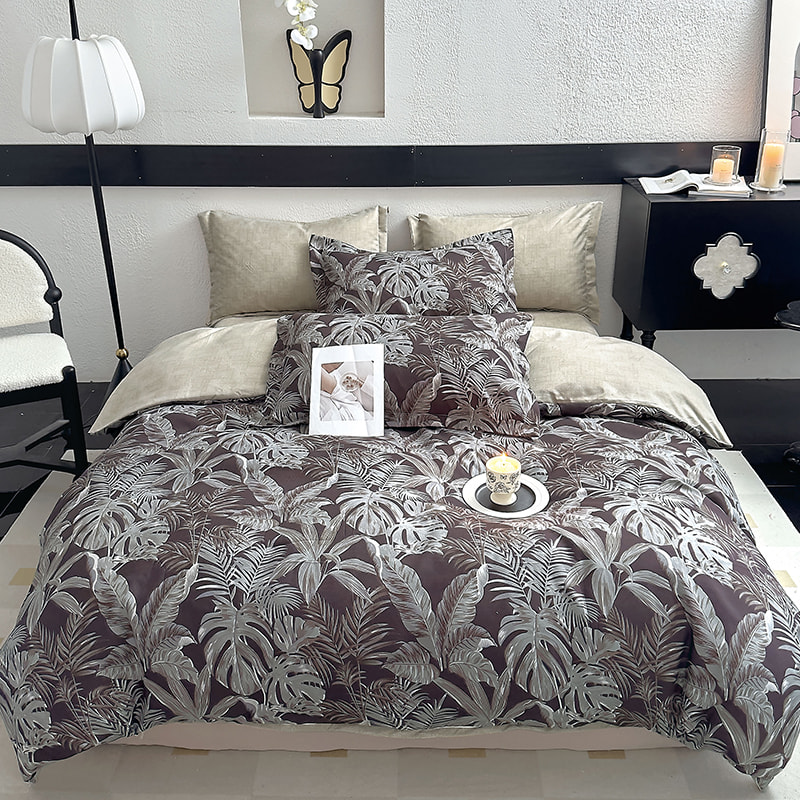
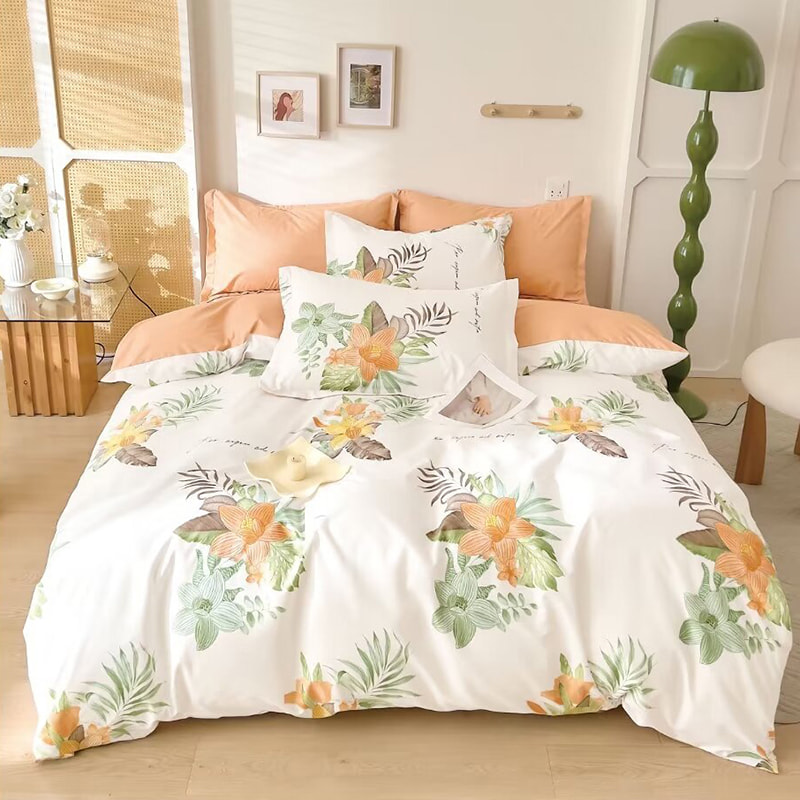
Funkció Gyors szárítás és könnyen gondozható: peklingellenes és vasalás nélkül, gyors szárítás a gépmosás után, egyszerűsített napi ellátás. Tartós színvédelem: Nagy kopásállóság és szín...
Lásd a részleteket -
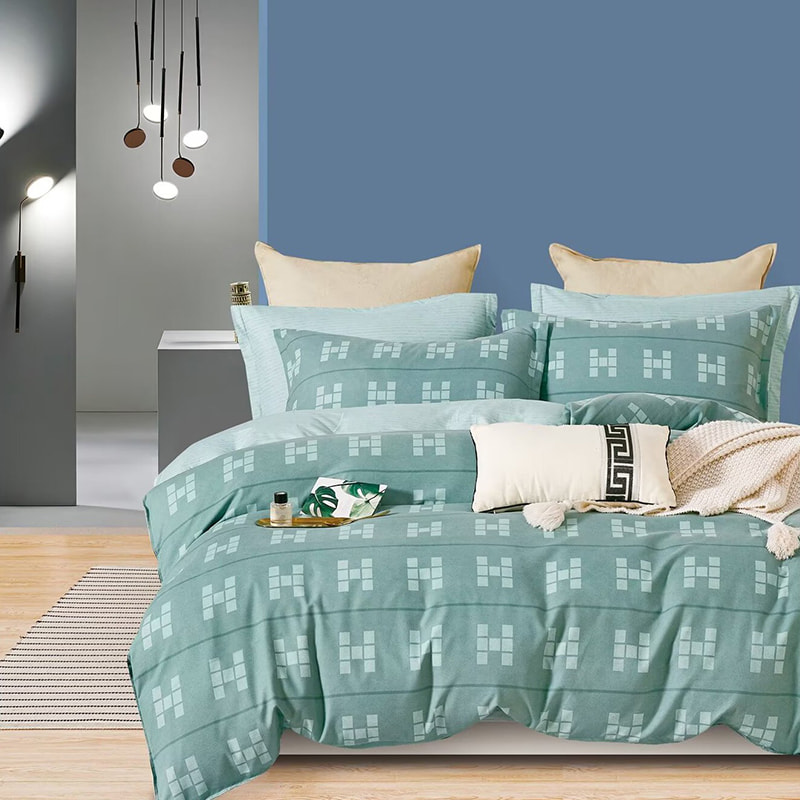
Funkció Erős melegség: A magas gramm súly jó szigetelési teljesítményt biztosít, amely alkalmas alacsony hőmérsékletű környezetre. Tartós ráncellenes: Nagy sűrűségű szerkezetű kopás és k...
Lásd a részleteket -
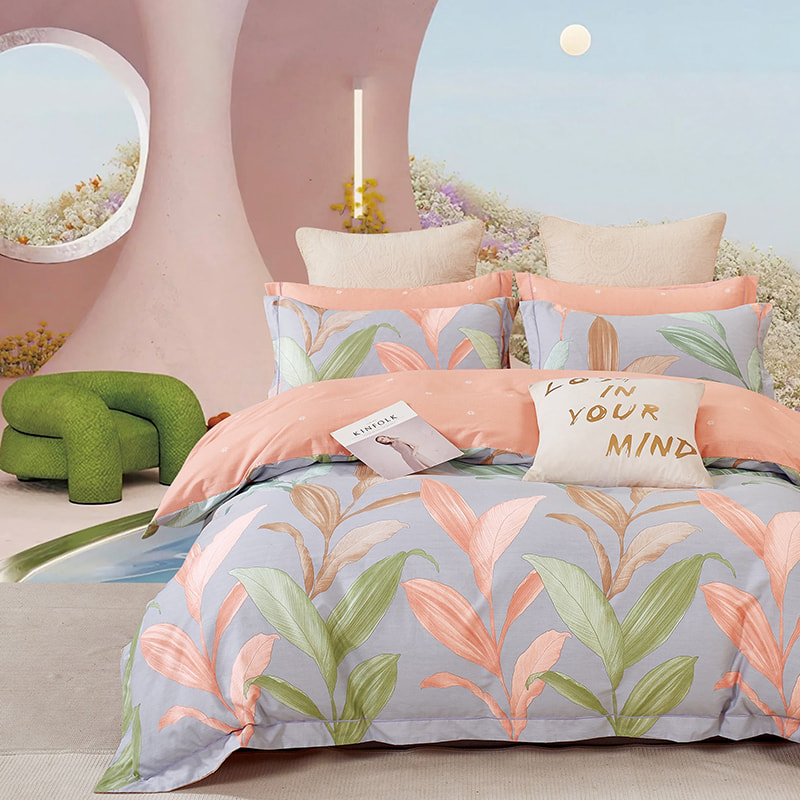
Funkció Bőrbarát lélegző: A természetes pamutszál puha és kényelmes, jó lélegzetelállító, és alkalmas a nedvesség használatára. Abszorpció és izzadás: Jó nedvesség abszorpció, tartsa tar...
Lásd a részleteket -
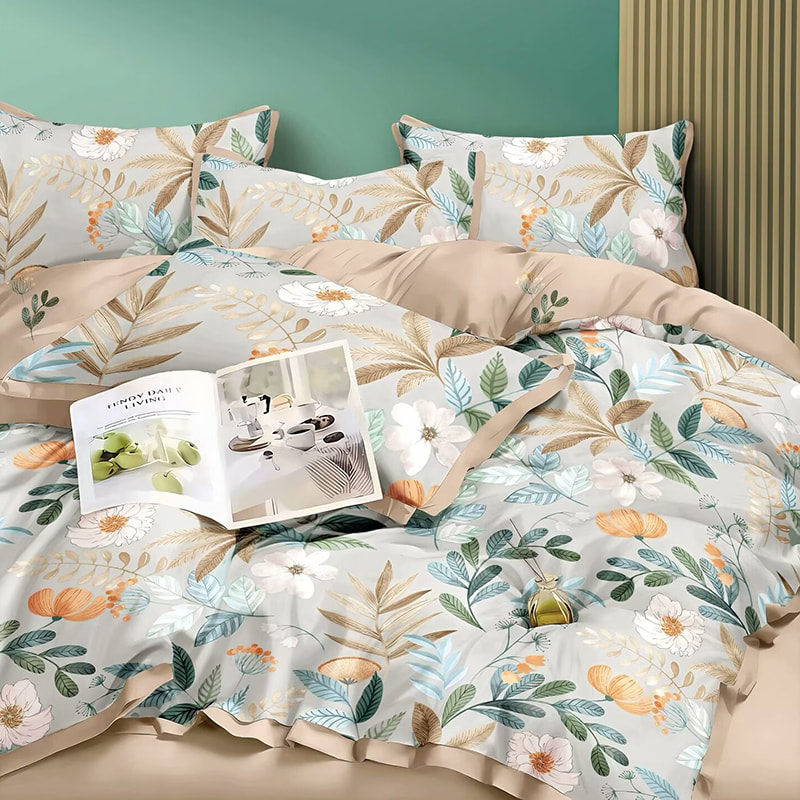
Funkció Finomabb és bőrbarátabb: magasabb az 12868,13372-nél, a szövet finomabb és puhabb, az érintés jobb és több. Lélegezhető: A nagy sűrűségű pamutszerkezet tovább javítja a nedvesség...
Lásd a részleteket -
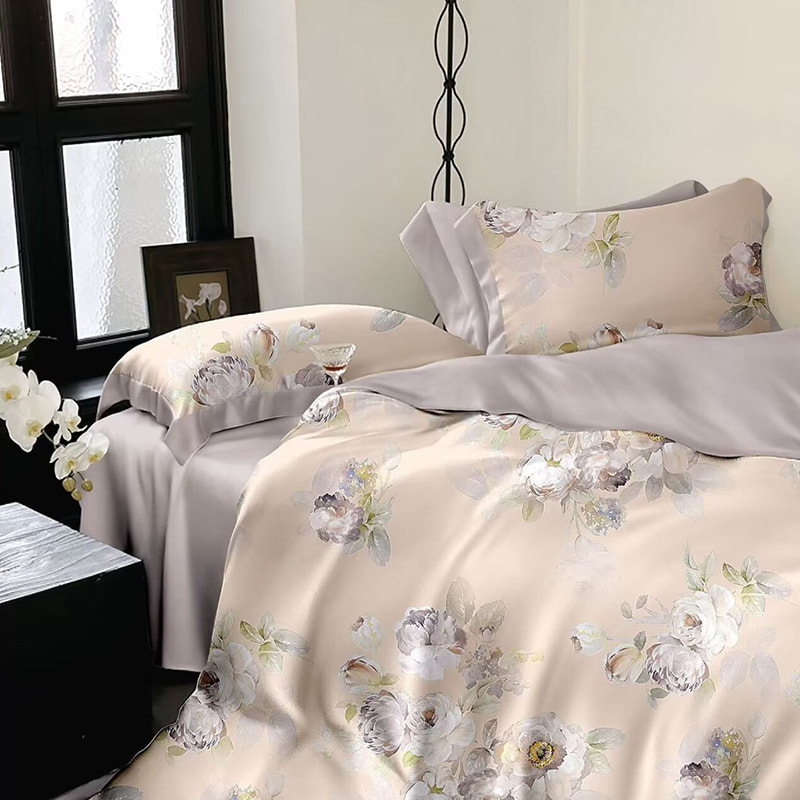
Funkció Szélsőséges bőr affinitás: A napi selyemszál puha és sima, érintse meg, mint a selyem, amely alkalmas a nedvesség szoros felhasználására. Abszorp...
Lásd a részleteket -
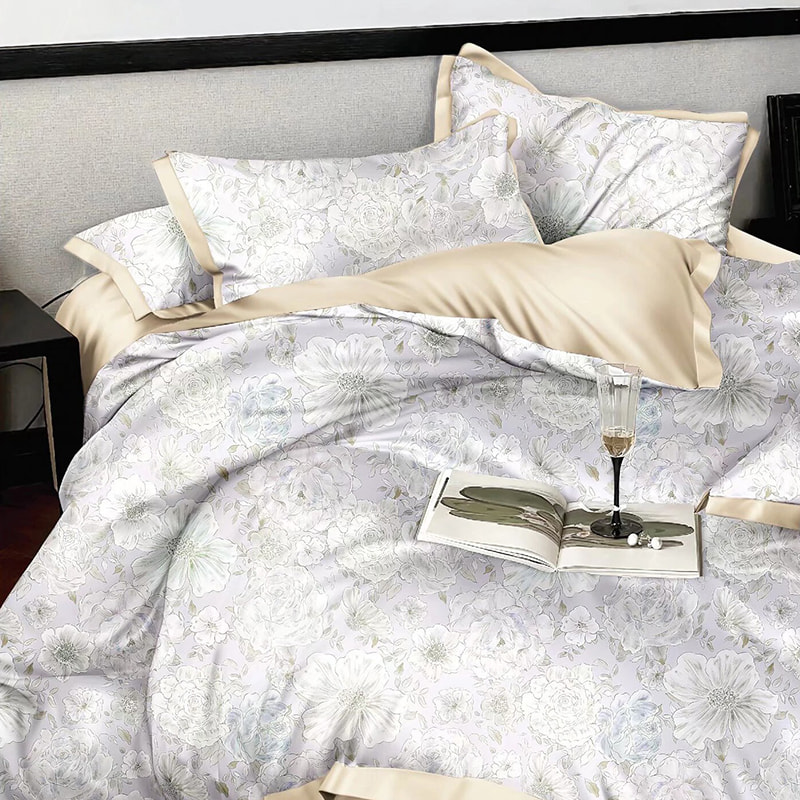
Funkció Finomabb és bőrbarátabb: Az 50-es évekhez képest a 60-as évek selyemszál vékonyabb, lágyabb, simább, kényelmesebb a szoros felhasználáshoz és a nedvességkötéshez. Lélegezhető: A ...
Lásd a részleteket -
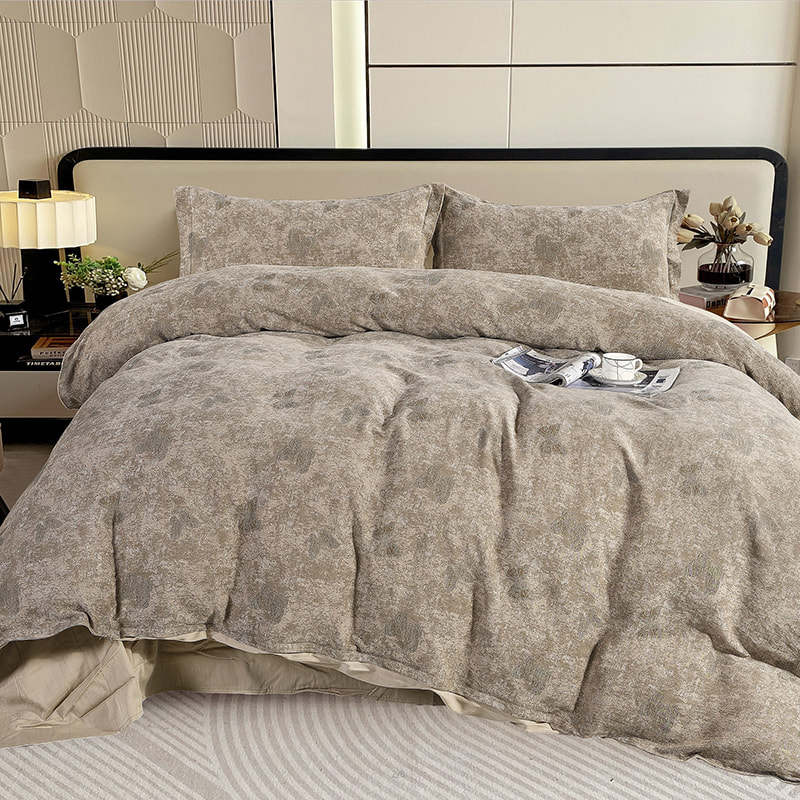
Funkció Luxus érintés: A szál puha és sima, és a Jacquard folyamat hozzáad egy háromdimenziós textúrát. Érintse meg, mint a selyem nedvességtartalmú abszorpció: A nedvesség abszorpciós t...
Lásd a részleteket -
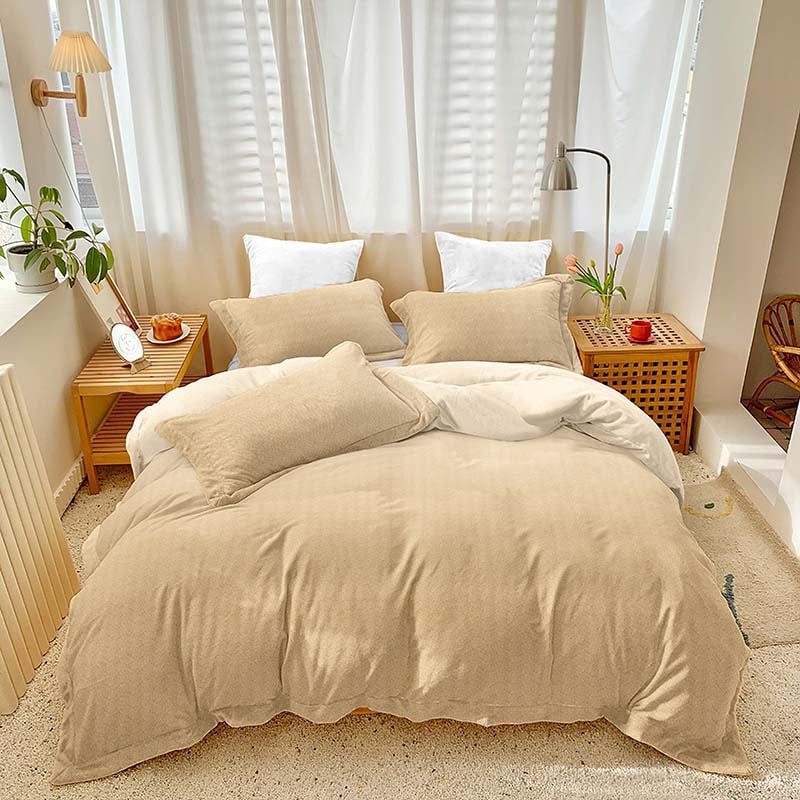
Funkció Finom minta teljesítmény: A digitális nyomtatás nagyobb pontosságú, mint a kerek nettó nyomtatás, gazdagabb színű, finomabb mintázat, gyors száraz. Könnyen ápolható: A poliészter...
Lásd a részleteket -
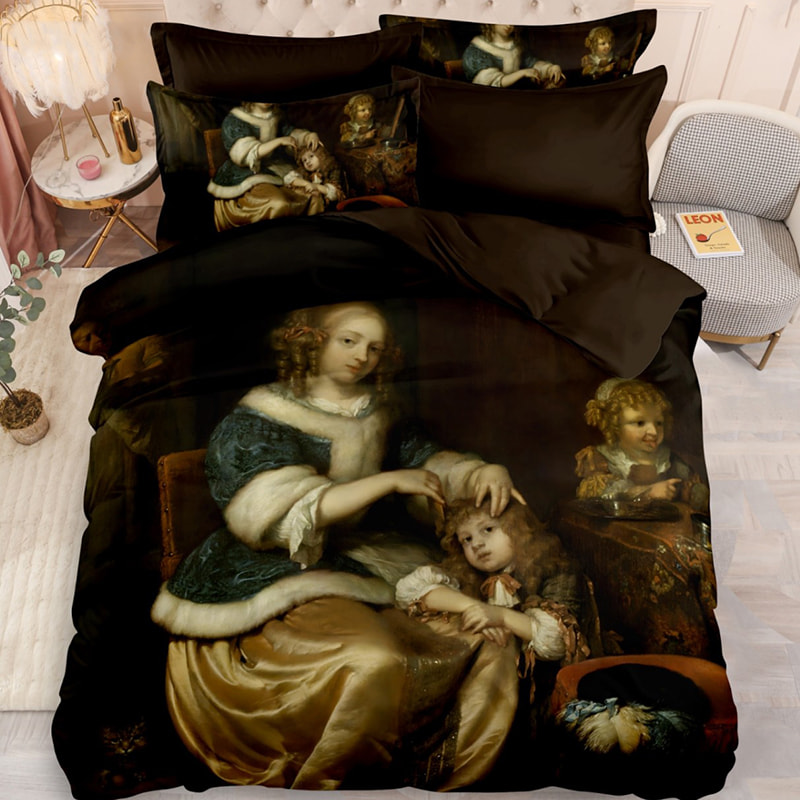
Funkció Finom minta teljesítmény: A digitális nyomtatás nagyobb pontosságú, mint a kerek nettó nyomtatás, gazdagabb színű, finomabb. Tartós ráncokgátló: A 130 g-os poliészter szálas anya...
Lásd a részleteket -
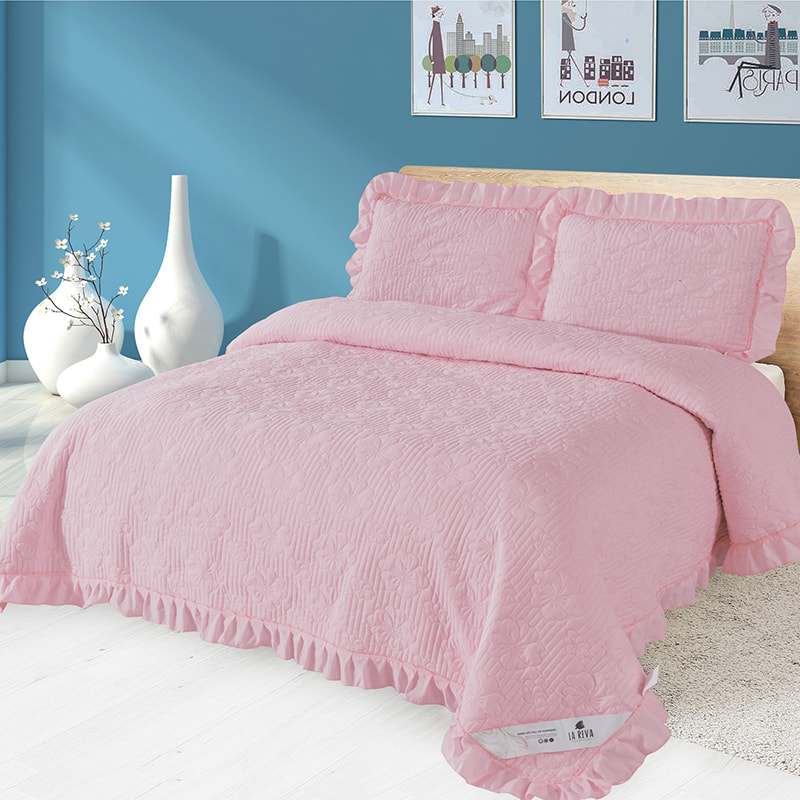
Funkció Vékony és fény: Az ultrahangos folyamat nem hoz létre pinlyokat vagy foltvarrási szálat, a szövet vékony és sima. Erős dekoráció: A csipke elemek elegáns és romantikus értelemben...
Lásd a részleteket -
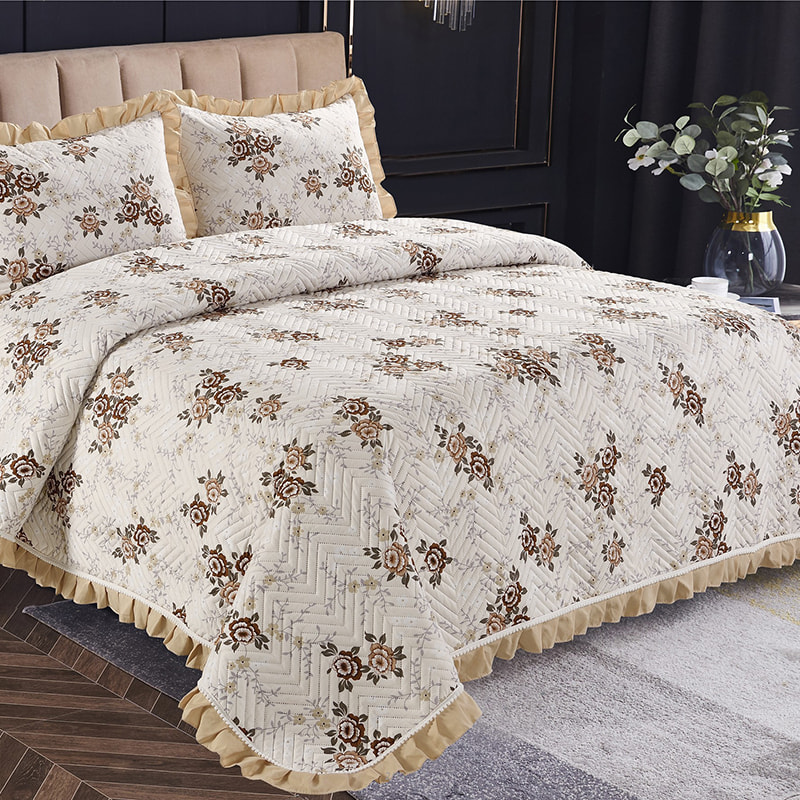
Funkció Vékony és fény: Az ultrahangos eljárás nem hoz létre pinlyukot vagy foltvaritót, a szövet vékony és sima. Erős dekoratív: A nyomtatási minták hozzáadják a művészetet és a formate...
Lásd a részleteket
